


Why Choose Us
Our Factory
At present, our company boasts a modern factory covering an area of 100,000 square meters and nearly 600 professional technicians and employees, achieving an annual output value of 300 million. We provide customized furniture services and furniture to star-rated hotels, boutique hotels, and business hotels worldwide.
Our Certifications
Our commitment to quality is evidenced by its certifications, including ISO9001 for quality management, ISO14001 for environmental management, ISO18001 for occupational health and safety, as well as China Environmental Labeling Product Certification (Ten-Ring Certification) and China Quality and Environmental Protection Product Certification (CQC).
Customized Services
With modern production equipment and traditional craftsmanship, we provide customized design and production services to meet the specific needs of customers.
Our Services
Moreover, we prioritize an exceptional customer service experience. We maintain timely communication, offer professional advice, and provide comprehensive after-sales services. By establishing long-term partnerships with our clients, we continuously expand our business and earn trust and support from customers both domestically and internationally.
Veneer Wood Panels in the simplest of terms are thin slices of natural wood generally less than 1/40” thick. These veneers are typically pressed onto or laminated to thicker core materials such as plywood, particle board and MDF to create structural panels to be used in place of thicker hardwood lumber. This is still real wood but machinery and technology allow the material to be sliced thin without waste instead of sawing it into thick boards. Just like thick boards, it can be plain sawn, quarter sawn, rift cut, or rotary cut and produce the many different grain patterns associated with each cut.



Benefits of Veneer Wood Panels
More Affordable Than Hardwood
Veneer wood panels offer a much more affordable option than hardwood furniture. Think of brazilian rosewood, for instance, which is a rare and very expensive species of wood. If you want to purchase a bed made of brazilian rosewood, you will need to shell out a hefty amount. On the contrary, if the same bed is made from another wood and have a layer of brazilian rosewood veneer sheet, it will have the same appearance but the overall cost will be much less compared to a bed entirely made from authentic brazilian rosewood.
A Variety Of Unique Choices
Every wood veneer sheet is unique in its design as it is derived from a specific tree; even in the same tree, there are different layers with unique patterns. The choices in veneer wood panels, therefore, are virtually endless. Moreover, unlike the laminates, veneer sheets can be customized by polish and varnish, which enhances the wood veneer texture to give a new look to furniture.
Enhanced Strength And Durability
Veneer sheets not only lend elegance, but also enhance the durability of furniture items. Unsurfaced fiberboards, such as hdf and mdf are prone to damage if exposed to water, but that changes when they are fortified with veneer sheets. Wood veneer sheets, therefore, protect your furniture from damage and considerably increases their durability.
Luxurious Appeal
Whether we talk about residential or commercial spaces, décor is an important aspect that holds high significance for most property owners. No matter the application, the wood veneer sheets for homes and commercial spaces accentuate the beauty of living spaces, giving them a luxurious appeal.
Non-toxic
Veneer wood panels, unlike laminates, are natural products and generally non-toxic. Also, these days, there are non-toxic adhesives available in the market that do not emit volatile organic compounds (vocs) that are a known environmental pollutant. These adhesives can be effectively used with veneer wood panels to paste them on any type of substrate.
Eco-friendly
Veneer wood panels help protect the environment in the way that many veneers are manufactured from a single log, whereas more wood is needed for making conventional hardwood furniture. Also, wood veneer sheets can be easily recycled; they can be crushed and transformed into wood fibers that can be utilized for making particle boards such as mdf.
Raw Wood Veneer
Raw veneer is veneer that has no backing on it, so it can be used on either side as they look the same until you apply a finish. In the slicing process one side of the veneer is compressed the other stretched, so they can accept stain differently. Mostly made from hardwood trees, it’s very durable and can be used on flat as well as curved surfaces and the grain isn’t matched during manufacture. This means that if you want to create a specific finish, it might be better to choose a different type of veneer.
Laid-Up Veneer
Laid-up veneer is pieces of raw veneer attached together to create larger pieces. This is a good option as it can be manufactured to your specific size, design, and shape-but it is a lengthy process to create.
Backed Wood Veneer
Backed veneer uses another material-paper, phenolic, cloth and foil are common backings-to make it stronger and more versatile. The second material is attached to one side of the veneer and the grains in the panels are usually matched during manufacture. They can be applied to flat or curved surfaces as it is more flexible than raw wood veneer and less likely to crack.
Laminated or Reconstituted Veneer
Typically made from fast-growing species, reconstituted veneer consists of several slices of wood laminated together. The resulting block of wood is then sliced in the opposite direction from the initial slices so that its edges become the grain of the reconstituted veneer. The result is a very flexible veneer that can be shaped and bent.
Application of Veneer Wood Panels


Furniture
The attractiveness and elegance of furniture pieces such as countertops, cabinets, tables and dressers is greatly improved with veneer finishes.offers the largest collection of designer veneer wood panels in countless patterns and textures to help you find the perfect finish for your furniture. They come with different backings- ply backing, veneered mdf, veneered laminates, flexible veneer, and veneered particle board to suit different applications.
Decorative Inlays And Marquetry
Wooden veneers are made from wood species that are versatile and easy to work with. Veneers retain stains well and can be dyed to produce colors which are not found in nature, making them an ideal choice for decorative inlays. Designer veneer wood panels are carved or turned into inlay woodwork which is used to embellish pieces of furniture. Modern marquetry commonly uses knife-cut wooden veneers to create ornamental designs.
Ceilings, Floors And Walls
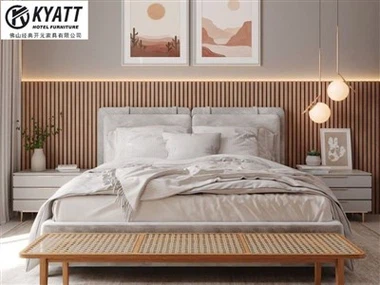
Veneer wood panels are used to customize structural interior elements such as ceilings, walls, and floors to fit the desired theme and style. Wood has a sophisticated look which transforms your interiors to achieve a classy ambience. Veneer finishes are extremely durable, easy to maintain, and wear resistant, which protects your interiors and enhances their longevity and aesthetic appeal, making them a popular surfacing solution for architectural elements.
Art Work
Wood has historical significance in artwork dating back to ancient paintings, musical instruments, and carvings. Properties such as its light weight, stability, strength, and availability make it a preferable choice to work with. Veneer wood panelss offer firm support and are an excellent choice for a flexible canvas. Wooden veneers are also used to create many musical instruments including violins, guitars, banjos, and drums as they provide excellent sound quality and can be effectively used to control acoustics.
How to Choose Veneer Wood Panels
Veneer Grade
Consider the grade of the veneer sheets, ranging from “AA” to “C.” The highest AA quality with near-perfection, to C, offering a more economical option with unpredictable color and open defects. AA veneers are rare, while A grades maintain an excellent appearance. Grade B showcases minor flaws but retains natural characteristics, suitable for various applications. Choose the grade that best suits your project’s aesthetic and budget.
Applications
Consider where the veneer will be used. Premium veneers are ideal for high-visibility areas like living rooms, doors, and furniture, while areas with high humidity, such as kitchens, bathrooms, and outdoors, require veneers with additional high water-resistant features to ensure longer uses.
Patterns
Assess your existing decor and ambiance. Choose from various wood grains and finishes to complement your interior style, whether it is modern, traditional, or country style, ensuring a perfect match for any design aesthetic. With a variety of patterns and collections available, KD Panels seamlessly enhances your projects with sophistication and style.
Lighting Conditions
Take into account natural and artificial lighting in the room. Dark veneers create a cozy feel, while light ones enhance brightness. Assess the light’s direction and intensity to pinpoint the ideal shade for your veneer, ensuring a harmonious blend with your space’s lighting dynamics.
Veneer Cut
Select the appropriate size based on your design requirements and applications, including doors, countertops, standard cabinets, and other variants. Different uses require specific sizes, so define your design and pattern requirements to make the right choice
Process of Veneer Wood Panels
Preparation
As soon as the logs arrive at the manufacturing unit, they are classified by species and stored in the log yard.Further, they are kept under optimal humidity conditions by soaking them in ponds of water or spraying them with water, as the needs dictate.
Debarking
The bark is then peeled off while ensuring that evenness is maintained. At this stage, great care is taken to ensure that the logs do not get damaged.
Cooking
In order to ensure uniform slicing, the logs are then kept completely submerged in steamers at temperatures of 80 - 100℃ for a period of 18 to 72 hours. To achieve the maximum efficiency, logs are to be cut within an hour of the completion of cooking.
Slicing/Peeling
Once the pressure and knife bar settings are set to an accuracy of 0.1 mm, so as to ensure slicing that’s perfect, one of two types of veneer slicing machines - a horizontal/vertical slicing machine or a peeling machine - are set in motion to obtain thin wood veneer sheets from the log, even as a heating system soaks up any moisture that is released during the process. There are different methods of slicing that can be undertaken, such as flat slicing, quarter slicing, or rotary cut, to obtain different types of veneers.
Drying
Here, the veneers which are still moist are dried in a jet drier which also has the effect of flattening them.
Quality Check
Here, an expert carefully assesses the veneers for quality according to strict quality standards.
Clipping
The veneers are then clipped to produce sheets of rectangular dimensions, after which it is put through the glue machine which bonds the edges of the veneers.
Splicing
Here, veneer matching is undertaken using the application of heat and pressure to ensure a consistent match is obtained.
Packing
Finally, the wood veneers are measured, labelled with indications of length, width, etc., packed with protective polyethylene and readied to be transported.
How to Maintain Veneer Wood Panels
Regular Cleaning, Dusting And Maintenance Of Finish
Finished veneer wood panels like most furniture requires frequent care of the finish and dusting to make it look fresh forever. Use a moist cloth or a dry one and clean it daily to keep your furniture look new every day. There are many options of wood conditioners and maintainers.in most cases, when users ignore dusting, the furniture starts to get damp and accumulates wax on its surface. Consequently, the process is more difficult if much time elapses.
Less Exposure To Sunlight
The positioning of the furniture is very critical. See to it that the furniture is not placed under the direct exposure of sunlight. If uv inhibitors were used in the finish, then the color and grain will withstand much more sunlight and fluorescent light exposure.veneer wood panels furniture is one of the most sensitive types which cannot handle pressure and heat beyond a specific limit. It is ideal to keep any kind of finished woodwork in a cool and area with as little light as possible. Light causes wood to become “sunstruck” Over time, which is usually a darkening.
Use And Durability
Veneer offers many colors, grains, burls, figuring, tight grain and loose grain that provide great latitude of choice in design and application. They are very durable products that will last as long as the finish does. The finish protects the veneer wood panels. Once it wears down, then there is nothing to protect the veneer wood panels.think of the product as needing protection of the finish more so than the actual veneer wood panels. Keep aware of the thickness of the finish to see if it wearing thin and needs redone. Most veneer wood panels will need refinishing, but not often will it need replacing unless it has been poorly maintained.
Keep Away From Sharp Objects
One thing to remember about veneer wood panels care is to keep it safe from any sharp objects at home. A durable finish will withstand a fair amount of nicking and knocking and pings and dings. Veneer wood panels projects usually entail a fair amount of expense and even with a good finish, even a minor scratch looks deep and evident on its surface. Sometimes these can be buffed out as discussed in # 5.
Our Factory
Located in Foshan City, Guangdong Province, Kyatt Hotel Furniture Co., Ltd. is a professional manufacturer specializing in high-end hotel furniture design, development, production, and sales. Established in 2014, we have rapidly emerged in the industry due to our precise product positioning and competitive advantages in industrial resources.At present, our company boasts a modern factory covering an area of 100,000 square meters and nearly 600 professional technicians and employees, achieving an annual output value of 300 million. We provide customized furniture services and furniture to star-rated hotels, boutique hotels, and business hotels worldwide.In the increasingly fierce market competition, Kyatt adheres to the principles of integrity, diligence, proactive innovation, and deliberate creativity. We have established the reputable brand "Kyatt" by integrating scientific management, systematic services, and a keen market strategic vision.

Certificate


FAQ
We're well-known as one of the leading veneer wood panels manufacturers and suppliers in China. Please rest assured to wholesale customized veneer wood panels made in China here from our factory. Contact us for more details.
wood panels for ceilings, wood panels for flooring tiles, fire resistant wood panels