

What are the best colors for hotel room furniture in a business hotel?
Aug 07, 2025
Leave a message
As a seasoned hotel room furniture supplier, I've witnessed firsthand how the right color choices can transform a business hotel room from ordinary to extraordinary. The colors you select for hotel room furniture play a pivotal role in creating a welcoming, comfortable, and functional space for guests. In this blog post, I'll delve into the best colors for hotel room furniture in a business hotel, considering factors such as psychology, style, and practicality.
The Psychology of Color in Hotel Rooms
Color psychology is a powerful tool that can influence guests' moods, emotions, and overall experience in a hotel room. Different colors evoke different feelings, and understanding these associations can help you make informed decisions when choosing furniture colors.

- Blue: Blue is a calming and serene color that is often associated with trust, reliability, and professionalism. It's an excellent choice for business hotel rooms, as it can help guests feel relaxed and at ease after a long day of meetings or travel. Light blues, such as sky blue or powder blue, can create a sense of openness and tranquility, while darker blues, like navy or royal blue, can add a touch of sophistication and elegance.
- Green: Green is a color that represents nature, growth, and harmony. It has a soothing effect on the mind and body, making it a great choice for creating a peaceful and rejuvenating environment in a hotel room. Light greens, such as mint or sage, can give a room a fresh and airy feel, while darker greens, like forest green or emerald, can add a sense of luxury and richness.
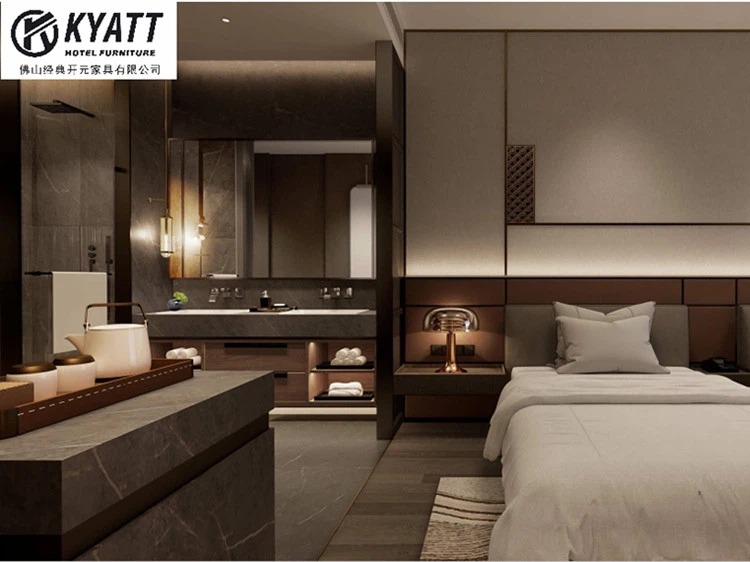
- Neutrals: Neutral colors, such as white, beige, gray, and brown, are timeless and versatile choices for hotel room furniture. They provide a neutral backdrop that allows other elements in the room, such as artwork, accessories, and bedding, to stand out. Neutrals are also easy to match with different color schemes and styles, making them a safe and practical option for business hotels. White and beige can create a clean and modern look, while gray and brown can add warmth and depth to a room.
- Accent Colors: Accent colors are used to add pops of color and personality to a hotel room. They can be used sparingly to draw attention to specific areas or elements in the room, such as a statement chair, a piece of artwork, or a decorative pillow. Popular accent colors for business hotel rooms include red, orange, yellow, and purple. These colors can add energy, excitement, and visual interest to a room, but they should be used in moderation to avoid overwhelming the space.
Choosing Colors Based on the Hotel's Style and Branding
The colors you choose for hotel room furniture should also align with the hotel's style and branding. A business hotel may have a modern, contemporary, traditional, or eclectic style, and the furniture colors should complement and enhance that style.
- Modern and Contemporary: Modern and contemporary hotels often feature clean lines, minimalist designs, and a neutral color palette. Furniture colors in these hotels are typically white, black, gray, and metallic accents. These colors create a sleek and sophisticated look that appeals to business travelers who appreciate a modern and stylish environment.
- Traditional: Traditional hotels often have a classic and elegant style, with rich wood finishes, ornate details, and warm color palettes. Furniture colors in these hotels may include deep browns, burgundies, golds, and creams. These colors create a luxurious and inviting atmosphere that appeals to business travelers who appreciate a more traditional and refined aesthetic.
- Eclectic: Eclectic hotels combine different styles and elements to create a unique and个性化的空间. Furniture colors in these hotels can be a mix of bold and bright colors, as well as neutrals and accents. The key is to create a harmonious and balanced look by using colors that complement each other and tie the room together.
Practical Considerations When Choosing Furniture Colors
In addition to psychology and style, there are also some practical considerations to keep in mind when choosing colors for hotel room furniture.
- Durability: Hotel room furniture is subject to a lot of wear and tear, so it's important to choose colors that are durable and easy to clean. Darker colors tend to hide stains and dirt better than lighter colors, making them a more practical choice for high-traffic areas. However, lighter colors can also be a good option if they are made from stain-resistant materials or if the hotel has a regular cleaning schedule.
- Lighting: The lighting in a hotel room can have a significant impact on how colors appear. Natural light can make colors look brighter and more vibrant, while artificial light can alter the color temperature and make colors look different. When choosing furniture colors, it's important to consider the lighting in the room and how it will affect the overall look and feel of the space.
- Maintenance: Some colors may require more maintenance than others. For example, white furniture may show dirt and stains more easily than darker furniture, and it may need to be cleaned more frequently. When choosing furniture colors, it's important to consider the hotel's maintenance schedule and resources, as well as the guests' expectations.
Examples of Color Combinations for Business Hotel Rooms
Here are some examples of color combinations that work well in business hotel rooms:
- Blue and White: A classic and timeless combination, blue and white can create a clean and fresh look in a hotel room. Light blue furniture paired with white bedding and accessories can give a room a coastal or nautical feel, while navy blue furniture paired with white walls and trim can create a more sophisticated and elegant look.
- Gray and Yellow: Gray is a neutral color that can be paired with a variety of accent colors, including yellow. Gray furniture paired with yellow accents, such as a yellow throw pillow or a yellow vase, can add a pop of color and personality to a room. This combination is perfect for creating a modern and energetic atmosphere in a business hotel room.
- Green and Brown: Green and brown are a natural and earthy combination that can create a warm and inviting atmosphere in a hotel room. Light green furniture paired with brown wood accents and accessories can give a room a rustic or nature-inspired feel, while darker green furniture paired with chocolate brown bedding and curtains can create a more luxurious and sophisticated look.
- Neutrals with Accent Colors: A neutral color palette, such as white, beige, or gray, can be paired with a variety of accent colors to create a personalized and stylish look in a hotel room. For example, a white hotel room can be accented with pops of red, orange, or purple to add energy and visual interest. This combination is perfect for creating a modern and contemporary atmosphere in a business hotel room.
Conclusion
Choosing the right colors for hotel room furniture in a business hotel is a crucial decision that can have a significant impact on the guests' experience. By considering factors such as psychology, style, practicality, and branding, you can create a welcoming, comfortable, and functional space that meets the needs of your guests. Whether you choose a classic and timeless color combination or a bold and modern one, the key is to create a harmonious and balanced look that reflects the hotel's personality and values.
If you're interested in learning more about Interior Hotel Room Furniture Design, Chinese Style Hotel Bedroom Furniture, or Branded Hotel Guest Room Furniture, please don't hesitate to contact us. We'd be happy to discuss your specific needs and help you choose the perfect furniture for your business hotel.
References
- "Color Psychology in Interior Design." Verywell Mind, 2023.
- "The Impact of Color on Mood and Behavior." Psychology Today, 2023.
- "Hotel Interior Design Trends." Hospitality Net, 2023.